Cultural Etiquette in Saudi Arabia
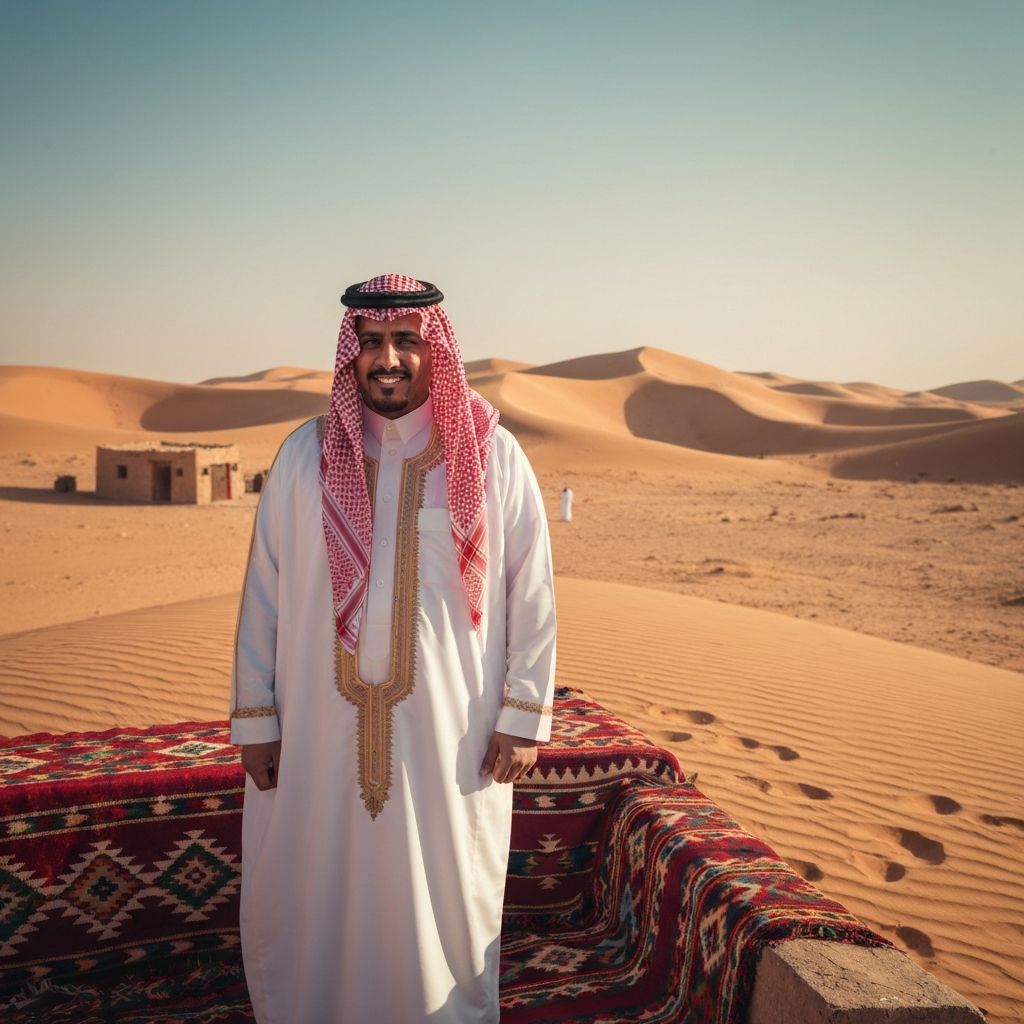
Visiting Saudi Arabia offers a unique opportunity to experience rich Arabian culture and traditions. Understanding local customs and etiquette will help you navigate social situations respectfully and enjoy a more meaningful visit.
Dress Code Guidelines
Saudi Arabia has specific dress code expectations that reflect Islamic values and local customs:
For Women:
- Modest clothing that covers shoulders, arms, and knees is required
- While the abaya (black cloak) is no longer mandatory for foreign women, many choose to wear it for convenience
- Loose-fitting clothes are preferable to tight or revealing garments
- Hair covering is not required for non-Muslim visitors, except when visiting mosques
For Men:
- Long trousers are expected; shorts are generally not acceptable in public
- Shirts should have sleeves and be modest
- Tank tops and sleeveless shirts are not appropriate
- Business casual attire is suitable for most situations
Social Interactions
Understanding social norms will help you interact respectfully with locals:
Greetings:
- "As-salamu alaykum" (Peace be upon you) is the traditional greeting
- Men typically shake hands with other men, but may not offer to shake hands with women
- Wait for a Saudi woman to extend her hand first before offering a handshake
- Use your right hand for greetings, eating, and giving or receiving items
Gender Interactions:
- Public displays of affection between men and women are not acceptable
- Unmarried couples should maintain appropriate distance in public
- In traditional settings, men and women may socialize separately
- Modern cities like Riyadh and Jeddah are more relaxed, but maintain respectful behavior
Religious Considerations
Saudi Arabia is the birthplace of Islam, and Islamic practices are deeply integrated into daily life:
- Prayer Times: Five daily prayers occur throughout the day. Businesses may close for 20-30 minutes during prayer times
- Friday: The Islamic holy day. Many businesses close or have reduced hours on Friday mornings
- Ramadan: The holy month of fasting. Eating, drinking, or smoking in public during daylight hours is prohibited
- Mosques: Non-Muslims cannot enter most mosques, with few exceptions in certain tourist areas
Dining Etiquette
Saudi hospitality is legendary, and meals are important social occasions:
- Always use your right hand for eating, even when using utensils
- Remove your shoes when entering someone's home
- It's polite to accept offered food and drinks, especially Arabic coffee and dates
- Leave a small amount of food on your plate to show you've been satisfied
- Alcohol is strictly prohibited throughout the Kingdom
Photography Guidelines
Be mindful when taking photographs:
- Always ask permission before photographing people, especially women
- Government buildings, military installations, and airports are off-limits for photography
- Mosques generally cannot be photographed from inside
- Respect privacy and local sensitivities regarding photography
General Do's and Don'ts
Do:
- Show respect for Islamic customs and traditions
- Dress modestly at all times in public
- Be patient during prayer times and Ramadan
- Accept hospitality when offered
- Learn basic Arabic phrases - locals appreciate the effort
Don't:
- Display public affection or intimate behavior
- Consume or possess alcohol
- Use your left hand for eating or greetings
- Point the soles of your feet at others when sitting
- Criticize or discuss sensitive political or religious topics
- Import or display non-Islamic religious materials publicly
Related Articles
Saudi Arabia Visa Requirements: Complete Guide
Learn all requirements, documents, and eligibility criteria for your eVisa.
Best Time to Visit Saudi Arabia
Plan your respectful visit with weather and seasonal insights.
Top 10 Places to Visit in Saudi Arabia
Discover the Kingdom's most incredible destinations.